High-Power SMD LED and COB Manufacturer for Custom LED Source Modules
Founded in 2011 in Shenzhen, LEIENDA develops packaged LED components, COB light sources and application-specific LED assemblies. Projects can be defined around wavelength, spectrum, power, voltage, dimensions, board structure and multi-channel requirements.
Next-Gen LED Solutions
Engineered for extreme performance. From high-density SMD displays to intense COB arrays, our OEM/ODM manufacturing empowers your most demanding projects.
SMD LEDs
High-efficiency surface mount LEDs designed for precision displays, commercial lighting, and compact electronics.
COB LEDs
Advanced Chip-on-Board technology delivering intense, uniform light output with superior thermal management.
CSP & Flip-Chip
Ultra-compact footprint LEDs eliminating wire bonds for enhanced reliability and maximum lumen density.
UV & NIR LEDs
Industrial-grade ultraviolet and near-infrared LEDs engineered for curing, sensing, and sterilization.
Addressable LEDs
Individually controllable RGB modules perfect for dynamic gaming setups, e-sports arenas, and architectural accents.
High Power LEDs
Maximum luminance output components designed for stadium lighting, automotive headlights, and robust industrial use.
LED Components and Light Sources for Equipment Integration
Select the emitter format first, then define wavelength, power, source dimensions and board-level integration around the equipment. LEIENDA covers packaged LEDs, COB sources, chip-level formats and custom PCB/FPC assemblies.
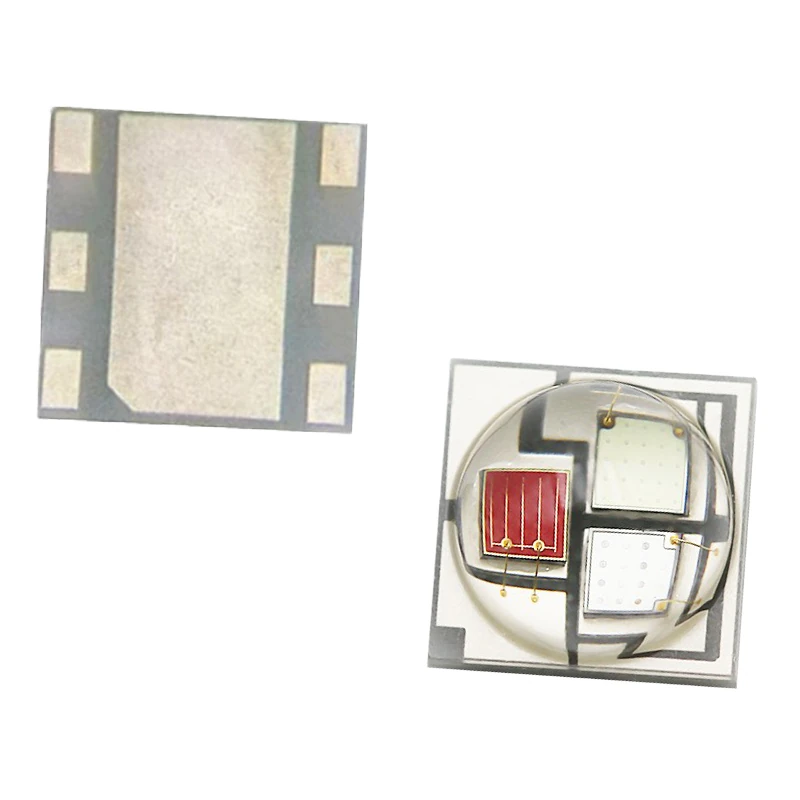
High-Power SMD LEDs
Package directions include 3030, 3535, 5050, 7070 and K2. Choose the package size, wavelength, power and chip arrangement according to the optical layout and thermal conditions of the equipment.
Explore High-Power SMD LEDs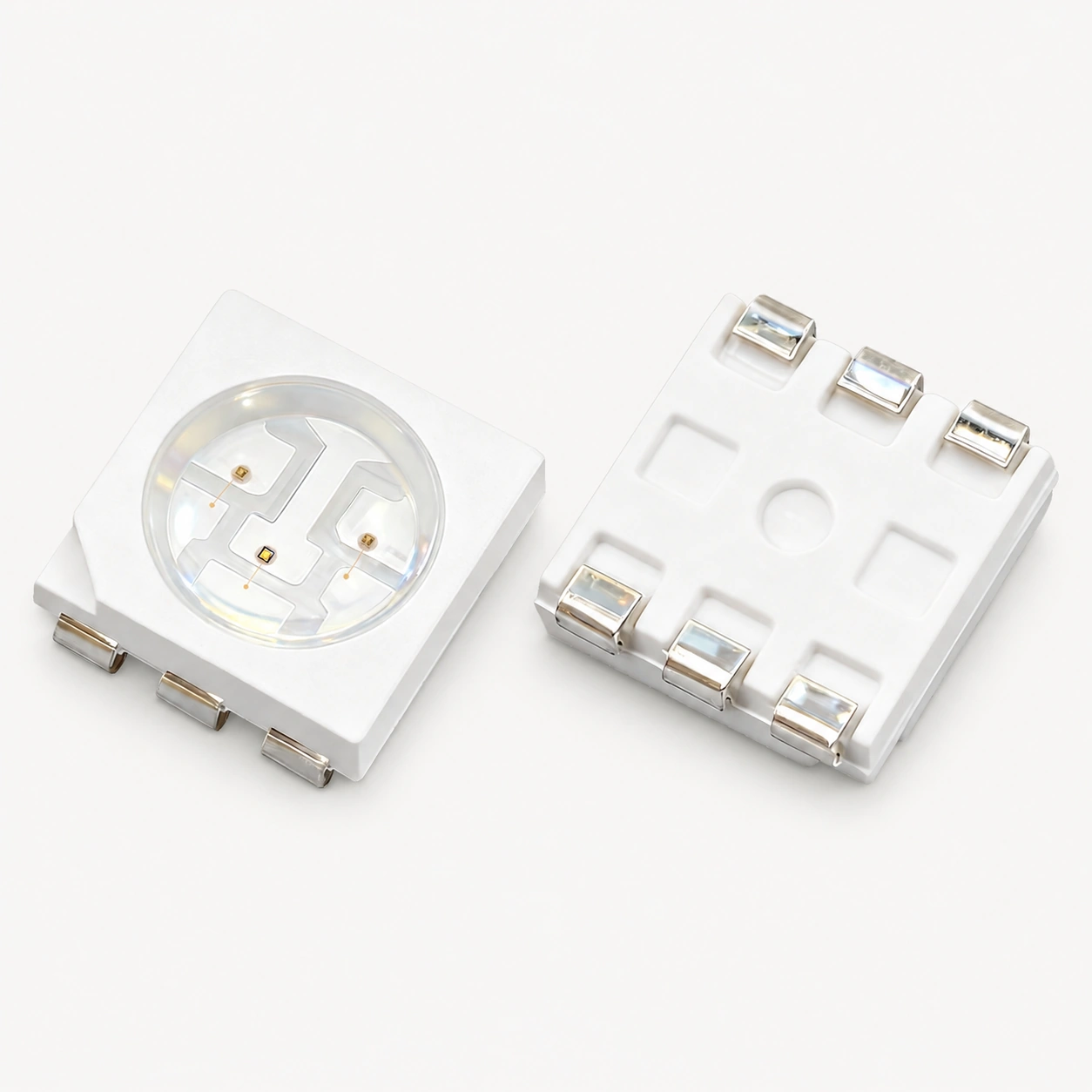
COB LED Light Sources
Integrated COB sources suit projects that need multiple emitters arranged within a defined source area. Key selection inputs include spectrum, power, source dimensions, board structure and thermal path.
Explore COB LED Light Sources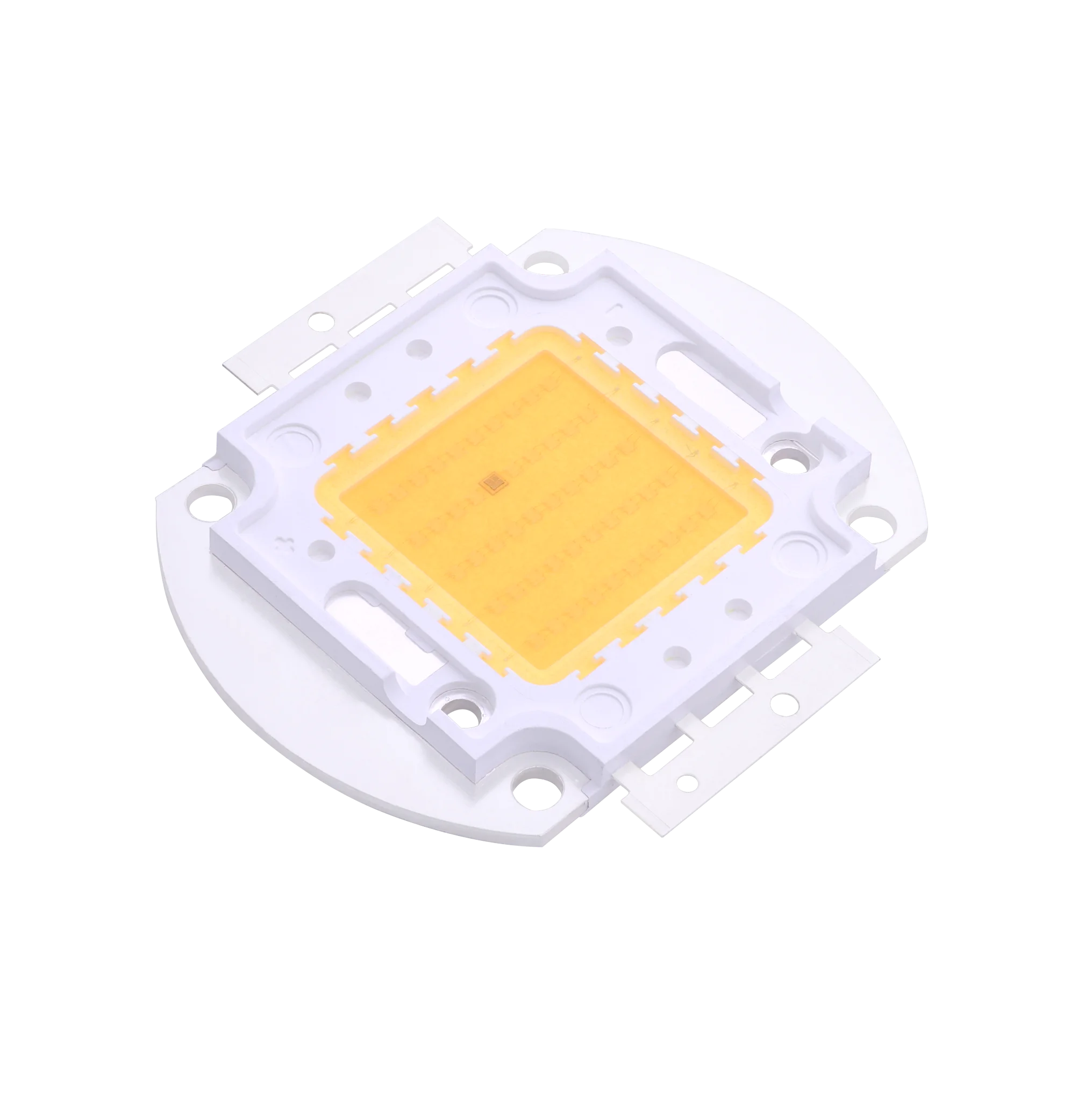
LED Die and Chip Formats
LED die, LED wafer, CSP and flip-chip directions support projects that begin before package or board-level integration. Selection should define the emitter format, wavelength and intended assembly method.
View LED Die and Chip Formats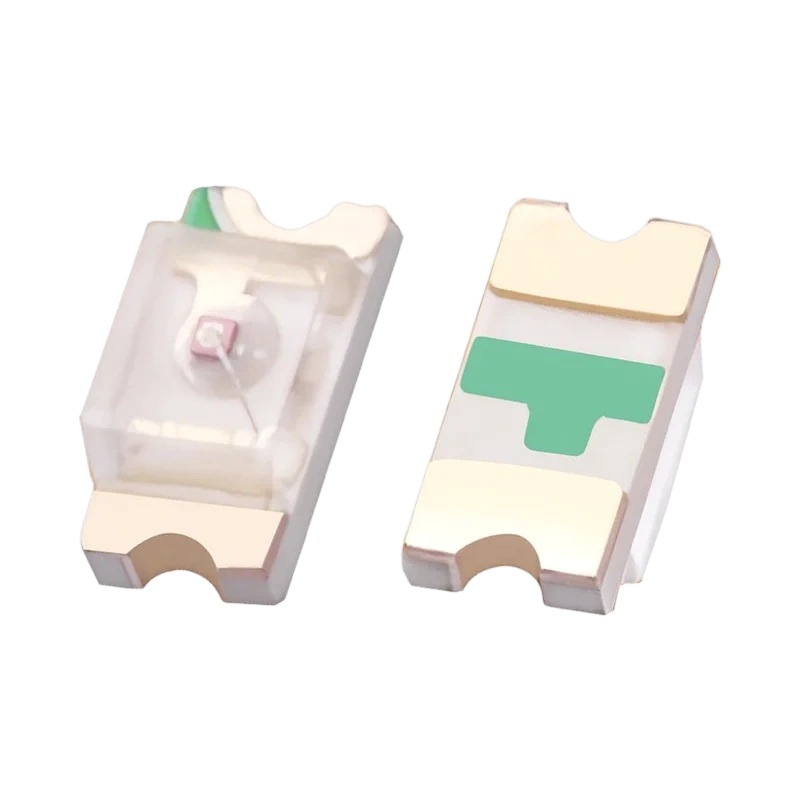
Custom PCB and FPC LED Modules
Board-level LED assemblies can be developed around dimensions, PCB or FPC structure, wavelength combinations and multi-channel layouts. This option suits equipment teams that need a light source prepared for their mechanical and electrical design.
View Custom PCB and FPC LED ModulesDefine the LED Source Around Your Equipment
Submit the target wavelength or spectrum, power, voltage, dimensions and board structure. LEIENDA can discuss SMD, COB, PCB or FPC configurations, including multi-wavelength combinations and multi-channel layouts.
Aligning the emitter choice and board-level structure with the same equipment requirement helps reduce specification gaps between component selection and module integration.
Useful Project Inputs
- Target wavelength or spectral combination
- Power and voltage requirements
- Available source dimensions
- PCB or FPC board structure
- Channel layout and control requirements
- Application and equipment constraints
COB LED Product Range
High-performance chip-on-board architectures engineered for precision illumination, advanced horticulture, and specialized industrial applications.
White COB LEDs
High-density white COB modules delivering exceptional lumens per watt with uniform light distribution. Engineered for commercial downlights, track lights, and high-bay industrial fixtures requiring uncompromising beam quality.
- CCT Range: 2700K to 6500K (Custom tuning available)
- Color Rendering: CRI 80, 90, 95, and 98 options
- Efficacy: Up to 180 lm/W for maximum energy savings
- Substrate: High thermal conductivity aluminum or ceramic
LED Component and Module Development in Shenzhen Since 2011
Founded in 2011 and based in Shiyan, Bao'an, Shenzhen, LEIENDA develops and manufactures high-power SMD LEDs, COB light sources and application-specific LED assemblies.
The product system connects packaged LED components with board-level light sources for B2B equipment projects. LEIENDA's Shenzhen workplace includes LED packaging equipment, production workstations and inspection workstations alongside component, COB and module operations.
LED Source Directions for Specialized Equipment
Application requirements change the wavelength, package, channel layout and board structure of an LED source. LEIENDA develops component and module directions for red and near-infrared equipment, horticultural lighting, UV systems and dynamic color lighting.
Red and Near-Infrared Equipment
Product directions include red and near-infrared LED packages and multi-wavelength combinations such as 660 nm and 850 nm. Equipment teams should define wavelength allocation, package geometry, channel layout, drive conditions and thermal path before selecting the source.
Horticultural Lighting
Plant-lighting projects require the spectral combination, power distribution and board layout to match the fixture structure and target growing environment. LED components and integrated modules can be discussed around these equipment inputs.
UV Equipment
UV LED directions include examples across 365 to 420 nm for curing and disinfection equipment development. Selection should account for wavelength, package format, source arrangement, drive conditions and the validation requirements of the final system.
Addressable and Dynamic Color Lighting
RGB, RGBW and addressable LED directions include package formats such as 2020, 3528, 3535, 4020 and 5050. Match package size, channel configuration and control architecture to the available board space and required lighting behavior.
Uncompromising Quality Assurance
Backed by 15 years of manufacturing excellence, our LED solutions meet the most rigorous international standards. Trust in verified performance for your enterprise needs.
CE
European Conformity
ISO
Quality Management
FDA
Safety Compliance
SGS
Inspection & Testing
Company Operations and Industry Engagement
Explore LEIENDA's Shenzhen working environment and meet the team through company video, LED industry exhibitions and direct customer visits.
LEIENDA Company and Workplace
Watch Company VideoLED Industry Exhibitions
Customer Visits
Send Your LED Source Requirements
Tell us the product family, target application and key requirements such as wavelength, spectrum, power, voltage, dimensions or board structure. Attach a drawing or specification file when available to begin a product selection or custom module discussion.
Information to Include
- ▪ Target wavelength or spectral combination
- ▪ Power and voltage requirements
- ▪ Available dimensions and board format
- ▪ Application and expected module configuration